
Knowledge That Saves Lives and Keeps Operations Running
Electricity is one of the most essential forces powering workplaces, homes, and industries—but it’s also one of the most dangerous when handled improperly. Electric safety training is not just a regulatory box to check—it’s a vital component of a safe and efficient environment. When employees understand how electricity behaves, where dangers lie, and how to respond in critical situations, they become the first line of defense against disaster.
Without proper training by electric safety training company, even experienced workers can make costly mistakes. A single lapse in judgment—such as touching live equipment, using damaged cords, or ignoring grounding procedures—can lead to severe injury, equipment damage, or even fatal accidents. The reality is that electrical hazards often appear harmless on the surface, making them easy to overlook without the right awareness. That’s why structured, up-to-date training is essential: it turns passive risk into informed caution.
Electric safety training also empowers teams to be proactive rather than reactive. Instead of waiting for an incident to reveal a gap in knowledge, organizations can build a culture where safety is part of every task. Trained employees are more likely to inspect equipment regularly, follow lockout/tagout procedures, and recognize early signs of electrical failure. This level of diligence doesn’t just reduce risk—it extends the lifespan of machinery, minimizes downtime, and protects productivity.
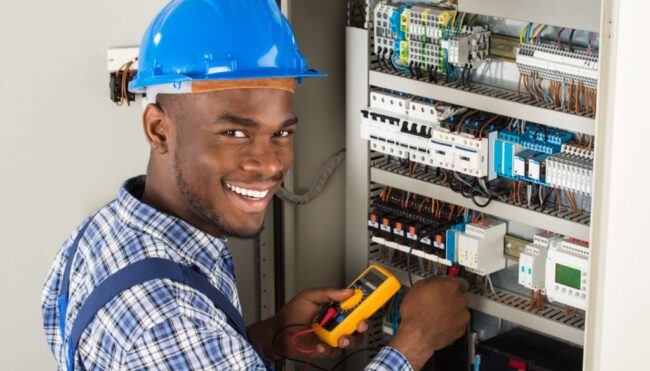
Beyond practical skills, safety training reinforces accountability. When every team member understands the role they play in electrical safety, the burden doesn’t fall solely on supervisors or maintenance personnel. It becomes a shared responsibility, where communication flows openly and risks are reported before they escalate. This collaborative mindset not only prevents accidents but fosters a sense of trust and professionalism across the organization.
Legal and financial protection is another critical reason electric safety training matters. Regulatory bodies expect compliance with specific safety standards, especially in construction, manufacturing, and energy sectors. Failure to provide training can result in fines, shutdowns, or legal action if an accident occurs. By contrast, documented safety training demonstrates due diligence, reduces liability, and builds a stronger defense in the event of an incident.
Ultimately, electric safety training isn’t about fear—it’s about preparation. It gives individuals the confidence to work around electricity with the right mindset and techniques. Whether it’s a simple outlet inspection or working on high-voltage panels, the knowledge gained through training could mean the difference between routine and ruin. Safety doesn’t happen by chance—it happens through education, repetition, and the unwavering belief that every life and every job is worth protecting.